Re – II is the second part of an audio–dance performative cycle titled Passing, created by Martina Jurak, that discloses urban developments through exploration of enormous construction sites which expand across Berlin.
The piece was presented with sound collaboration with Stefanie Loveday that focuses on newly built parts of the controversial A100 highway. Both artists find the newly opened 16th and the planned 17th construction phase problematic from an ecological, political, and economic perspective, and have used it to gather their multi-formed creative material.
Urban research was be shown on 20.9.2025 at Motto Berlin, as performative installation with found objects, butoh inspired movement, and electro-acoustic sound, to question the processes of the ongoing spatial changes.
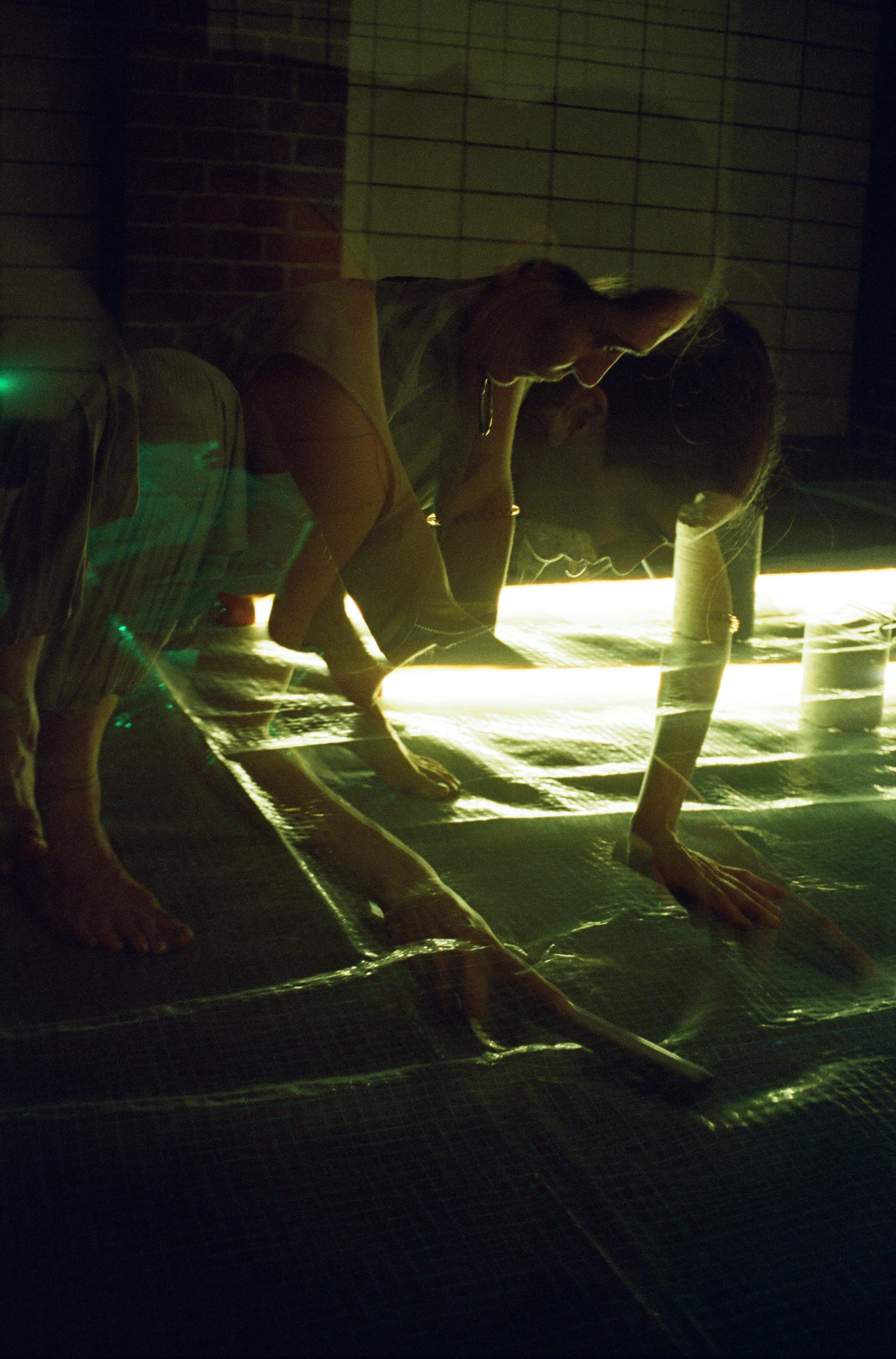
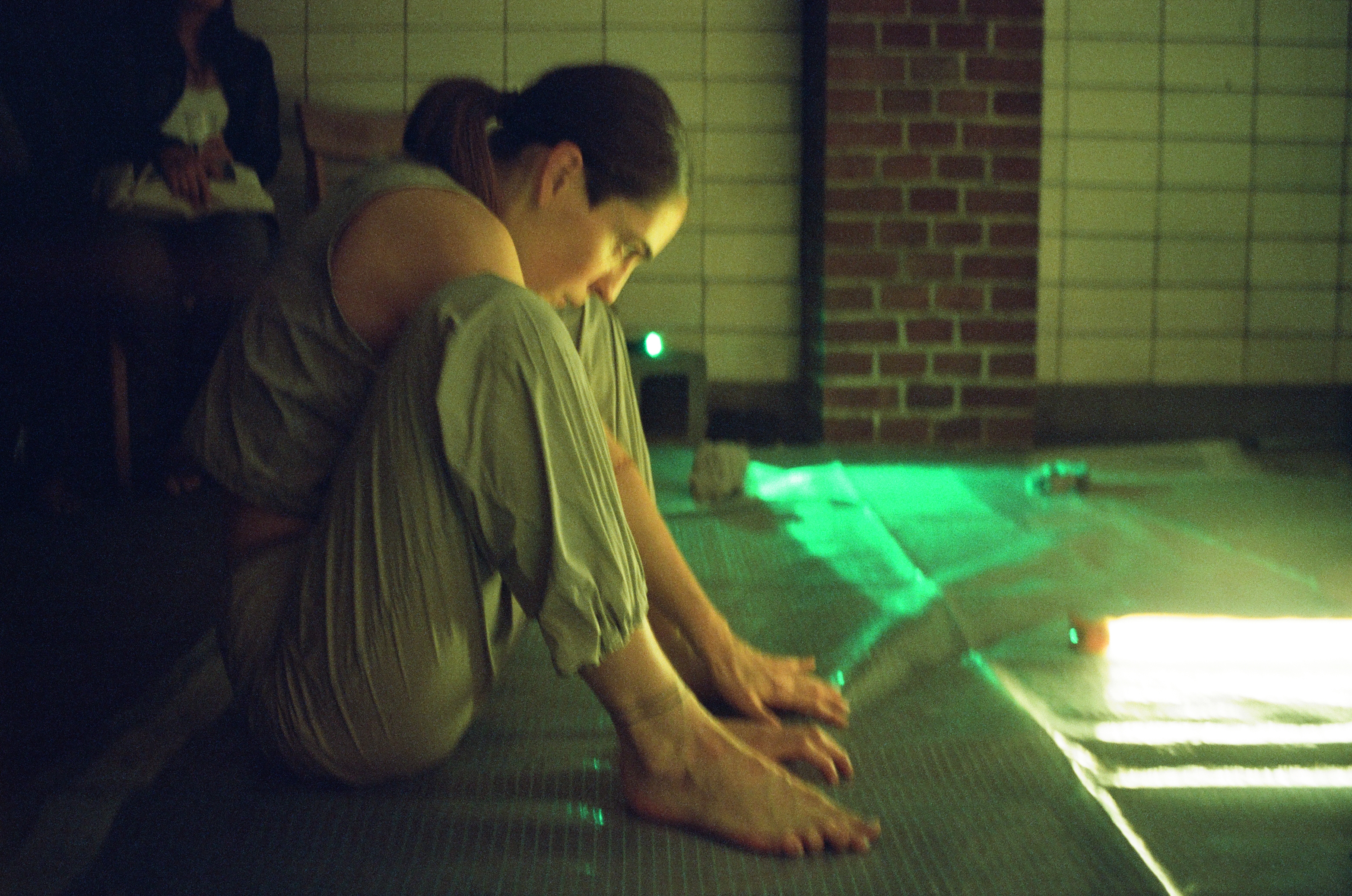
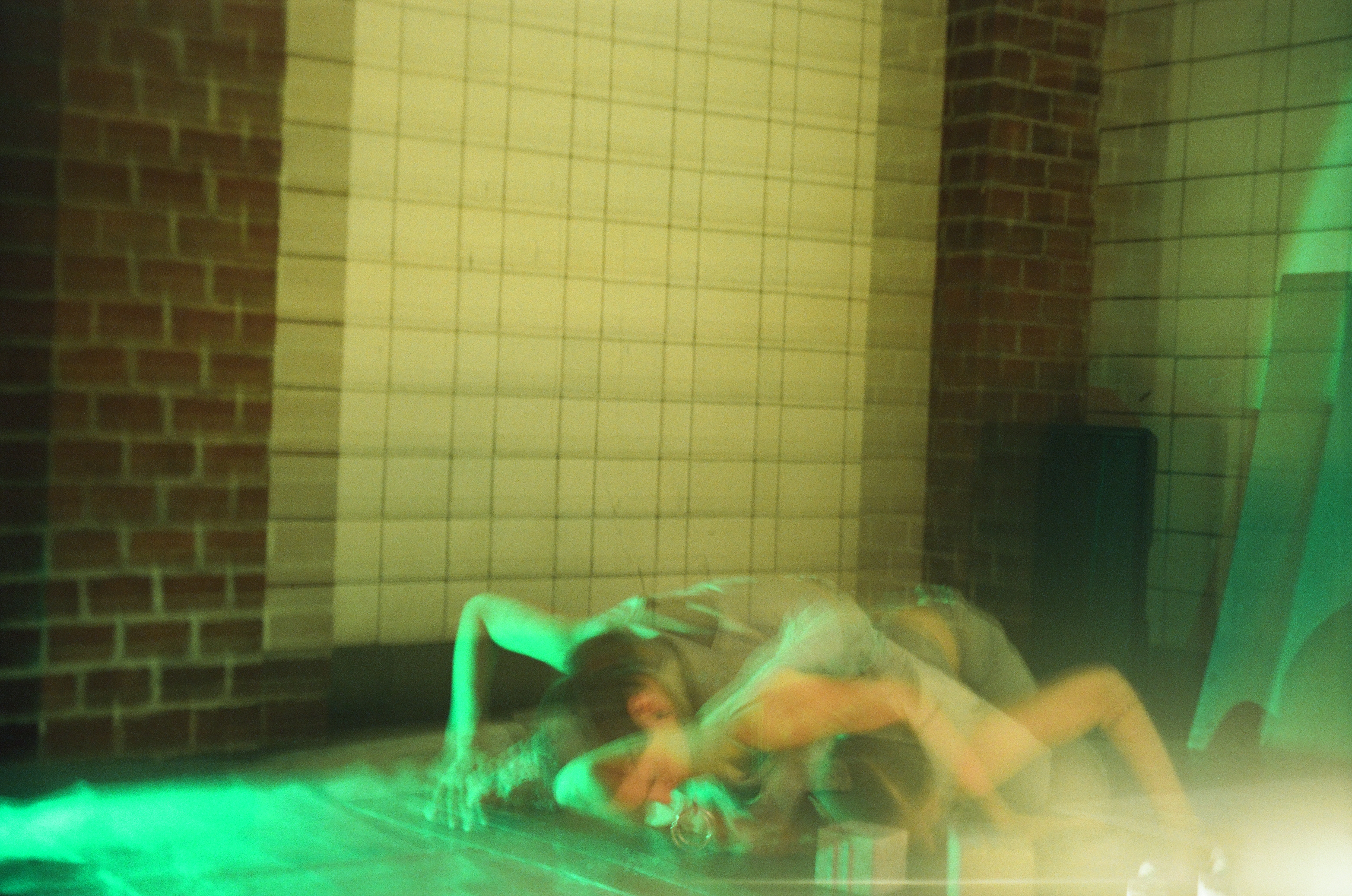


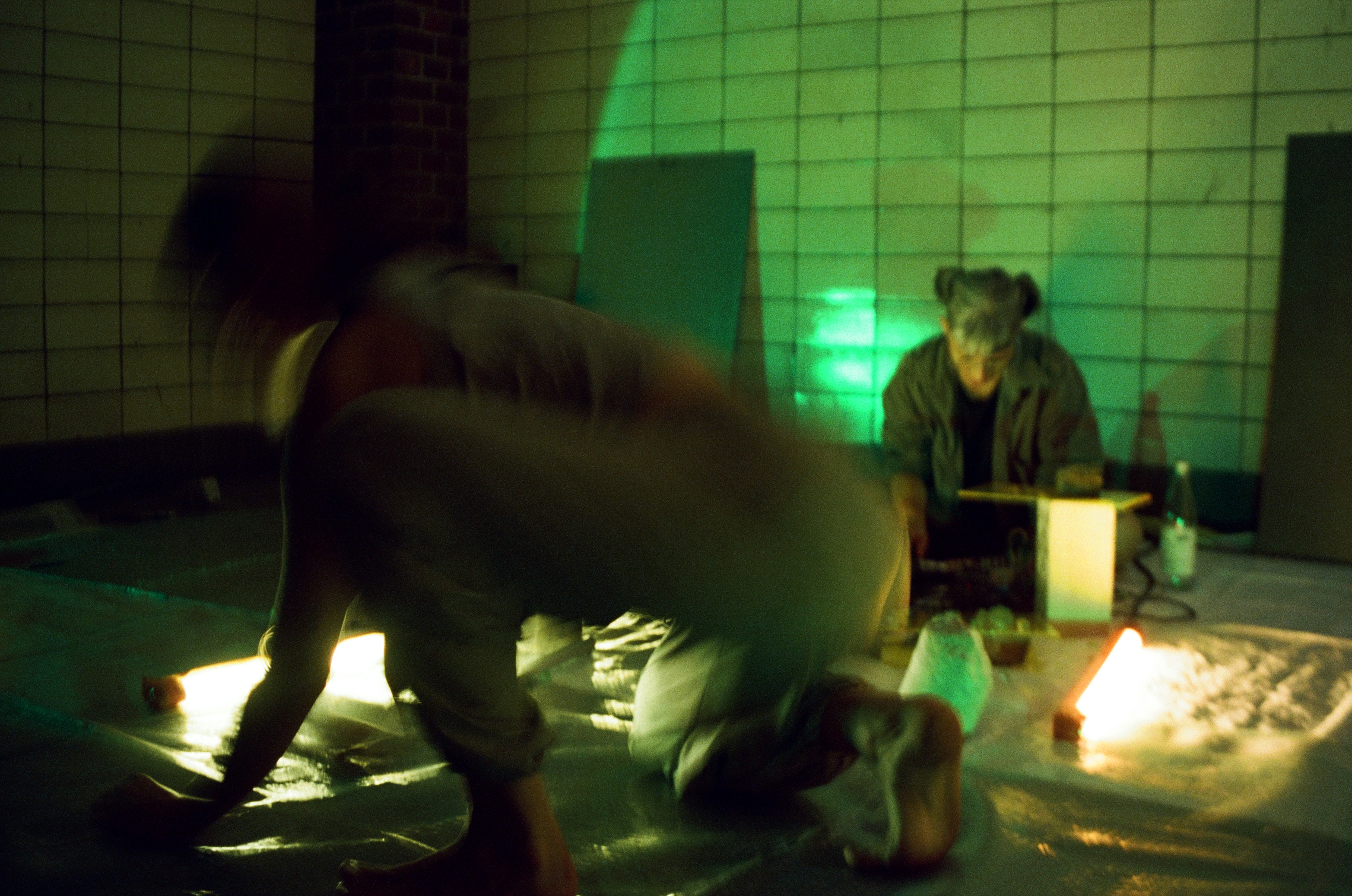
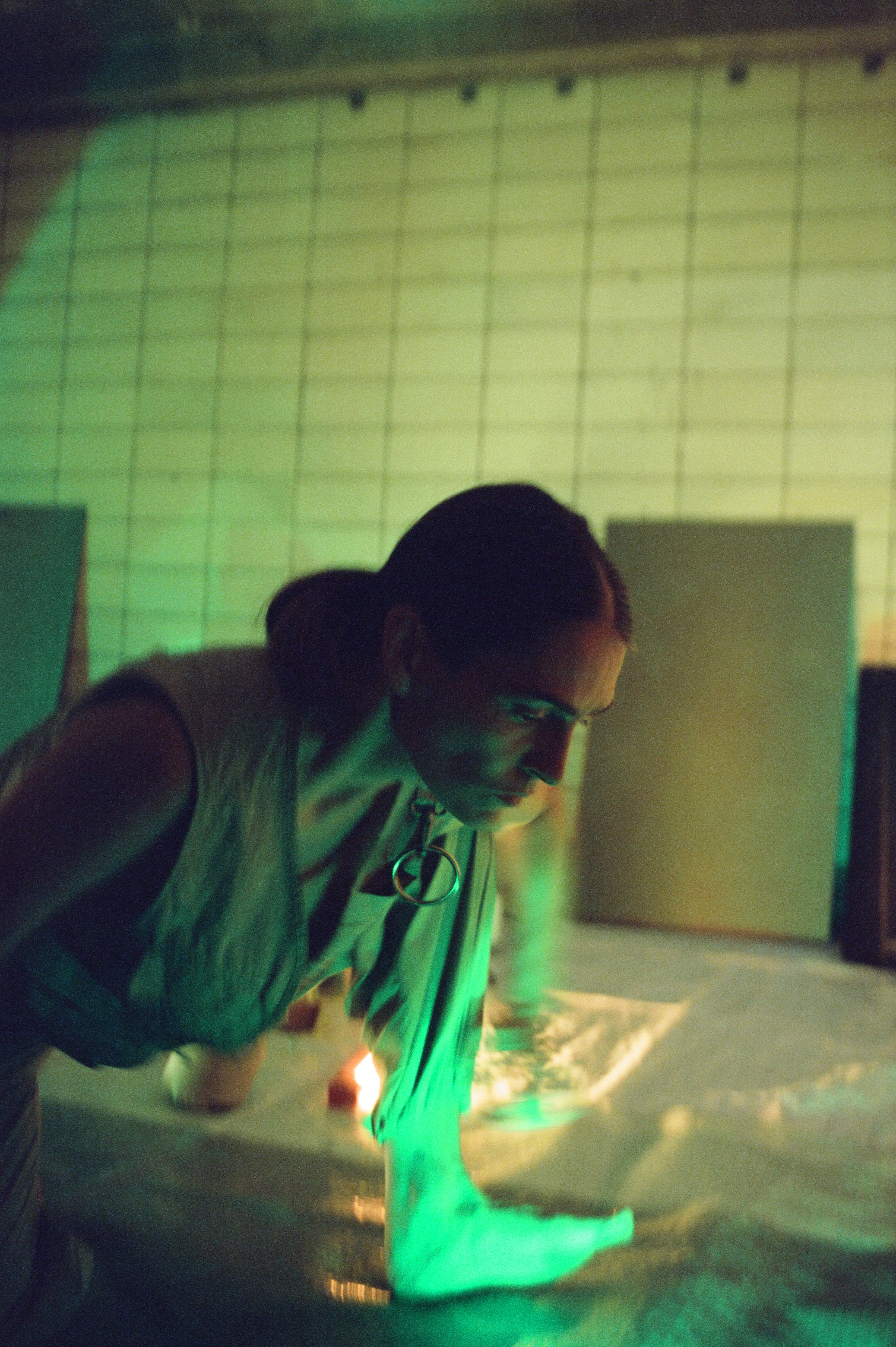


Re II performance was developed through collaboration with visual and sound artist Stefanie Loveday, with whom Martina made research on newly built parts of the controversial A100 highway. Both artists met at the crossroads of their interest in ecology, urbanism, and field research and placed their starting point on a building site near Neukölln, where they both reside. The outdoor area became the ground for observation of Berlin’s architectural restructuring and led to movement improvisation and gathered material in the form of video and sound recordings.
In august 2025, we witnessed the opening of the 16th construction phase that stretches from Grenzalle to Treptower Park, which was the most expensive highway in Germany and is already causing traffic jams and had to close shortly due to its non-functionality.
With the transformation of problematic space into a creative source, we wanted to share the awareness of the inseparability of artistic production and living circumstances and direct our attention to the surrounding environment. The next phase of the highway is planned to cut through the residential area in Friedrichshain, to connect to the north-east part of the city. This is problematic from a cultural, ecological, and economical perspective, as our city is following the trend of destruction of urban space for the interest of capitalistic infrastructure.
In our creative process we were questioning the current political processes that do not offer inclusion of all residents who are sustaining the city.
Dance, choreography by Martina Jurak
Sound performance by Stefanie Loveday
Analog photos by Egle Sciukaite
